Building lighting is a symbol of a city's development level and also reflects corporate culture, enhancing the corporate image. Building illumination and lighting projects enrich people's nightlife, stimulate people's consumption levels, and promote the development of the night economy. They showcase the exquisite or majestic appearance of buildings and enrich the city's night scenery.
1. Creating a high-end building image: The lighting and illumination project for the building takes the entire structure as a model and employs LED outdoor lighting for decoration. Different buildings require different effects to be presented. It is important to serve the main purpose of the building. Facades such as office buildings should use cool colors to create a high-end image, while old buildings need to use warm colors to maintain a warm atmosphere.
II. Demonstrating a Fashionable Architectural Atmosphere: Building Lighting and Illumination Projects should choose different lighting methods and light source colors based on the different purposes of the building. Generally speaking, residential buildings should primarily use warm colors to create a cozy feeling. Office buildings should primarily use monochromatic or single-color lighting to better express the fashionable atmosphere of the office building.
III. Closely Integrating with Urban Construction Planning: Building lighting is a part of urban planning, and it should reflect iconic architectural landmarks according to the overall plan, rather than just being about lighting. Moreover, it must possess a high degree of artistic awareness to become a classic of the city.
IV. For lighting and illumination projects that require concealed lighting fixtures, it is necessary to consider the height of the building and the illumination height of outdoor lighting fixtures. The need to conceal lighting fixtures not only serves aesthetic purposes but also protects the lifespan of the fixtures. When selecting lighting fixtures, extra care should be taken, as it relates to future maintenance. It is recommended to choose energy-efficient and long-lasting lighting fixtures, which can also help reduce daily maintenance costs.
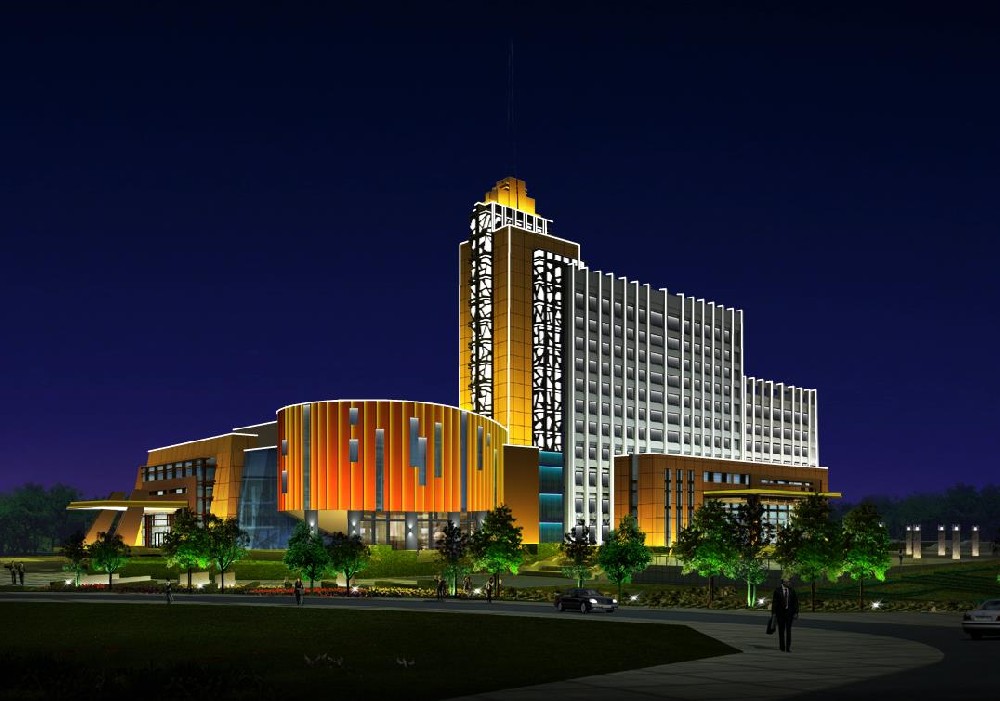
To successfully implement a building lighting project that imbues the architecture with an artistic flair and emotional appeal at night, it is imperative to devise a design strategy in advance, conduct lighting calculations, and anticipate lighting effects. Designers should base their decisions on the nature of the building and their creativity, thereby reshaping its image at night and highlighting its theme and regional significance.
The lighting project for the building requires exploring the potential features of the building facade and analyzing the details of the architecture, such as columns, cornices, lines, awnings, sunshades, etc. This not only determines the appropriate installation locations for lighting fixtures but also helps avoid unnecessary light exposure to users and glare interference to pedestrians, as well as the impact of daytime illumination on lighting fixtures and the landscape.
A good building lighting project should not only highlight the shape and function of the building, grasp the connotation of the building's image, and reshape the nighttime image of the building, but also fully reflect the design style and intention of the building, emphasize the simple and clear shape characteristics and functions of the building, and strive to create a calm and simple atmosphere.
The above content is sourced from the internet. If it infringes upon your rights, please contact us for removal!